
Understanding Local Tree Preservation Orders in Cheshire


What Are Tree Preservation Orders?
Tree Preservation Orders (TPOs) are legal instruments used by local authorities to protect specific trees, groups of trees, or woodlands in the interests of amenity. In Cheshire, these orders play a crucial role in maintaining the region's lush landscapes and biodiversity. A TPO can prevent the cutting down, topping, lopping, uprooting, wilful damage, or destruction of trees without permission from the local council.

The Importance of TPOs in Cheshire
Cheshire, known for its picturesque countryside and historic landmarks, benefits greatly from TPOs. The preservation of trees contributes to the region's natural beauty and ecological balance. Protecting trees not only enhances aesthetic appeal but also supports local wildlife and contributes to the fight against climate change by absorbing carbon dioxide.
Local councils in Cheshire are committed to maintaining green spaces, recognizing their importance to community well-being and biodiversity. TPOs are an essential tool in this effort, ensuring that significant trees receive the protection they deserve.
How Are TPOs Implemented?
The process of implementing a TPO begins with the identification of trees that have significant cultural, historical, or environmental value. Local councils assess these trees and, if deemed necessary, issue an order to protect them. Once a TPO is in place, it is recorded in the local land charges register, informing potential buyers or developers of any restrictions.
Responsibilities of Tree Owners
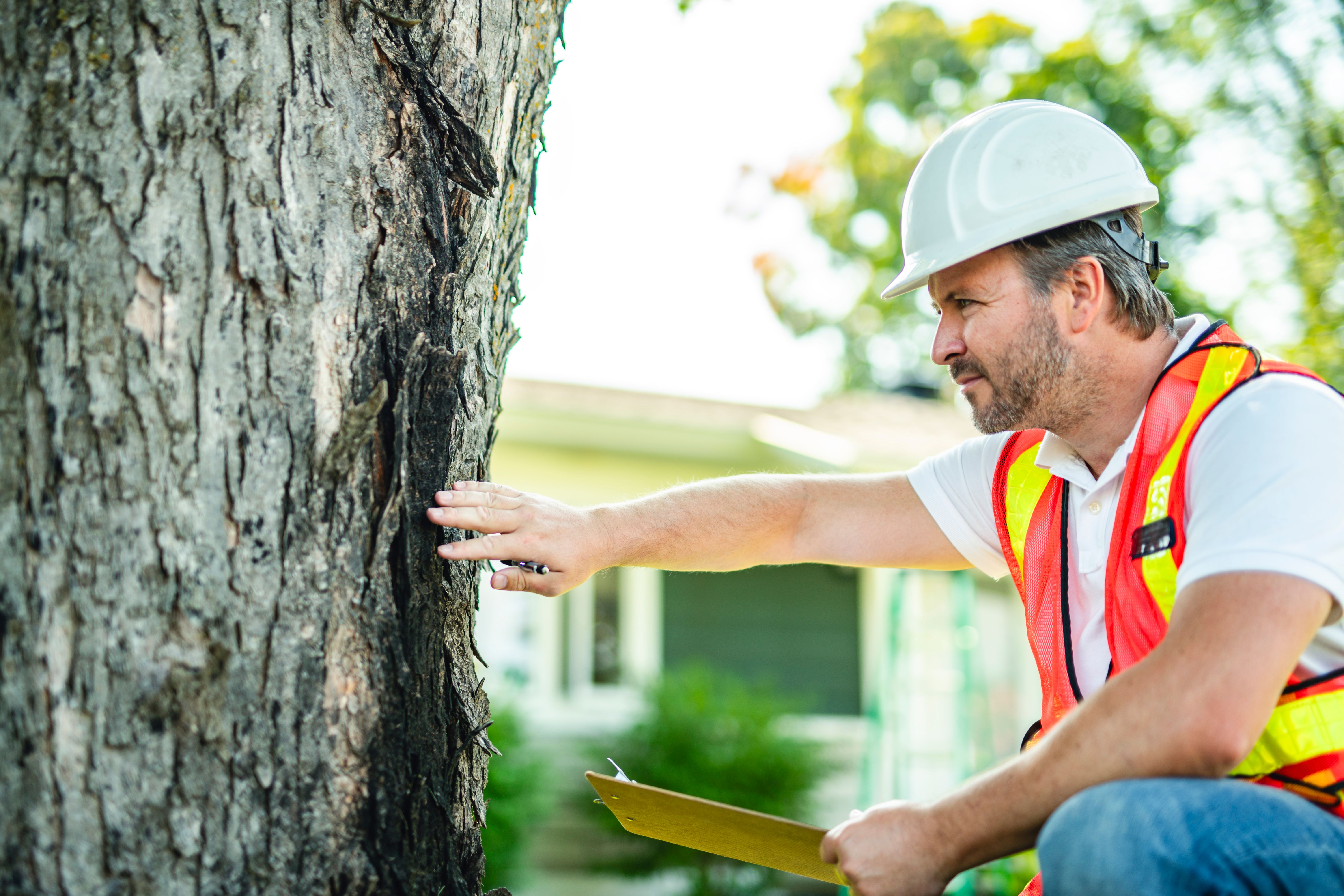
Owning trees protected by a TPO comes with several responsibilities. It is essential for landowners to understand that they must seek permission from the local council before performing any work on these trees. This includes activities like pruning, cutting, or even removing dead branches. Failure to comply can result in significant fines or legal action.
Tree owners should also regularly inspect their trees for signs of disease or damage. If a tree poses a danger to people or property, urgent action may be permitted, but the local authority should be informed immediately.
How to Apply for Work on Protected Trees
If you need to carry out work on a tree covered by a TPO, the first step is to apply for permission from your local council. This typically involves filling out an application form detailing the proposed work and providing reasons for it. The council will then assess the application, considering factors such as the health of the tree and its significance to the local environment.

Appealing a TPO Decision
In cases where a request to work on a protected tree is denied, there is an option to appeal the decision. The appeal process involves submitting your case to the Planning Inspectorate, where it will be reviewed independently. It is advisable to provide comprehensive evidence and reasoning to support your appeal.
Understanding the appeals process can help ensure that any necessary work on trees is conducted legally and appropriately, maintaining the balance between development and preservation.
Conclusion
Tree Preservation Orders in Cheshire are vital for protecting the region's natural beauty and ecological health. By understanding and respecting these orders, residents and developers can contribute to the sustainable management of Cheshire's green spaces. Whether you are a tree owner or a developer, being informed about TPOs helps ensure compliance and support for the local environment.