
How to Prepare Your Garden for Spring in Cheshire


Start with a Clean Slate
As winter bids farewell, it's essential to begin preparing your garden for the vibrant spring months ahead. In Cheshire, the climate is ideal for a variety of plants, but first, clear away dead foliage and debris. This will prevent pests and diseases from taking hold in your garden.
Begin by removing any fallen leaves, broken branches, and dead plants from last season. This not only tidies up the garden but also allows for better air circulation and sunlight penetration, which are crucial for new growth.
Revitalize the Soil
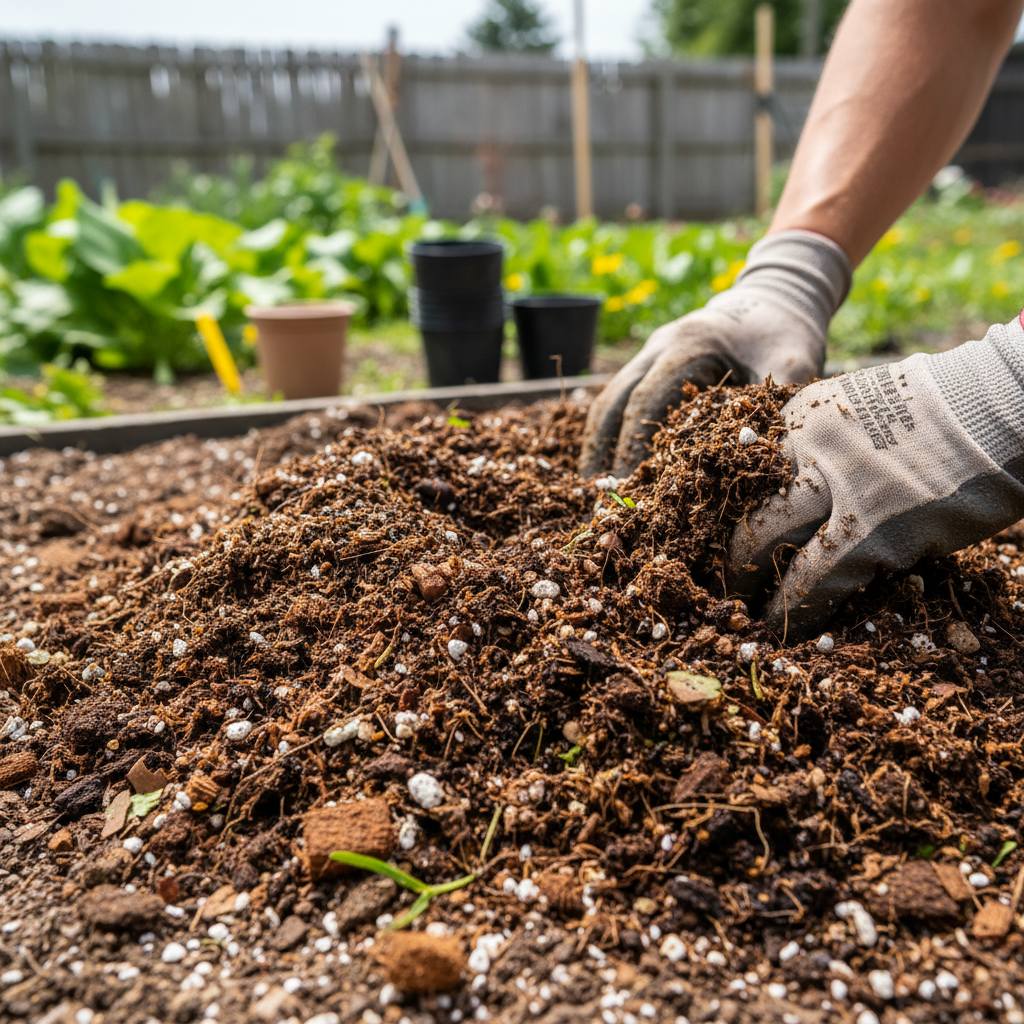
After cleaning, it's time to focus on the soil. The quality of your soil directly affects the health and productivity of your plants. Start by loosening the soil with a spade or fork to improve aeration and drainage. This is especially important in areas like Cheshire, where the soil can become compacted over winter.
Next, enrich the soil by adding organic matter such as compost or well-rotted manure. This will replenish nutrients and enhance the soil structure, giving your plants a strong start.
Select the Right Plants
Choosing the right plants is crucial for a successful spring garden. Consider local climate conditions and the specific growing environment of your garden. In Cheshire, hardy perennials and spring bulbs like daffodils and tulips thrive well.
Plan your garden layout by grouping plants with similar sunlight and water requirements. This will simplify maintenance and ensure that each plant receives the care it needs.

Prune and Trim
Pruning is an essential task that helps maintain plant health and encourages new growth. Focus on removing dead or damaged branches from trees and shrubs. This will not only improve their appearance but also prevent the spread of disease.
For plants that bloom on new wood, such as roses, early spring is the perfect time to prune. Be sure to use clean, sharp tools to make precise cuts and minimize stress to the plants.
Prepare for Pests
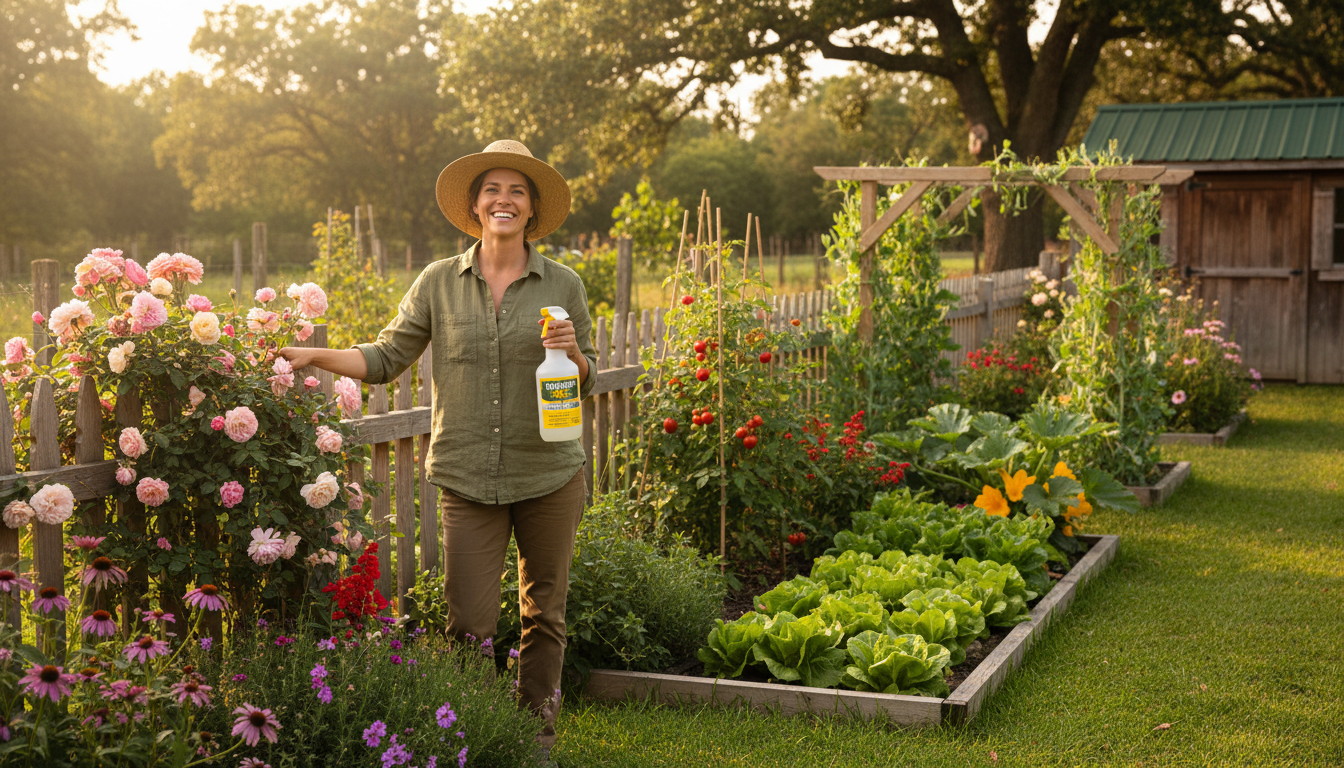
As the weather warms up, pests become more active. Protect your garden by regularly inspecting plants for signs of infestation. In Cheshire, common garden pests include slugs, snails, and aphids.
Introduce natural predators like ladybugs and birds to help control pest populations. Additionally, consider using eco-friendly pest control methods to safeguard your plants without harming the environment.
Set Up a Watering System
Ensuring your garden receives adequate water is vital, especially as new plants establish themselves. In Cheshire, the weather can be unpredictable, so setting up a reliable watering system is wise. Drip irrigation systems or soaker hoses are efficient options that minimize water waste.
Be mindful of watering in the early morning or late afternoon to reduce evaporation and ensure that water reaches the roots effectively.
Plan for Continuous Bloom
To enjoy a vibrant garden throughout spring and beyond, plan for continuous blooming by selecting plants that flower at different times. This strategy ensures that as one plant fades, another takes center stage.
Mix early bloomers with mid and late-season varieties to maintain color and interest in your garden all season long.

Maintain Regular Care
Your garden will thrive with consistent care. Regularly weed, water, and monitor plant health to catch any issues early. Mulching around plants can help retain moisture and suppress weeds, making maintenance easier.
By following these steps, your Cheshire garden will be beautifully prepared for a flourishing spring, offering a delightful outdoor space to enjoy throughout the season.