Expert Tips for Maintaining a Healthy Garden Year-Round in Knutsford


Understanding Knutsford’s Unique Climate
Knutsford's climate is characterized by mild temperatures and moderate rainfall, making it ideal for gardening enthusiasts. However, understanding the local weather patterns is crucial for maintaining a healthy garden year-round. By staying informed about seasonal changes, you can plan your gardening activities more effectively.
Consider investing in a reliable weather app to receive timely updates and alerts. This will help you anticipate weather changes and take necessary precautions to protect your plants.

Soil Preparation and Maintenance
Healthy soil is the foundation of any thriving garden. In Knutsford, the soil can vary, so it's essential to test it for pH levels and nutrient content. You can use a home testing kit or consult a local expert to determine the best amendments for your soil.
Regularly adding organic matter, such as compost or well-rotted manure, will improve soil structure and fertility. This practice helps retain moisture and supports beneficial microorganisms, which are vital for plant health.
Mulching for Moisture Retention
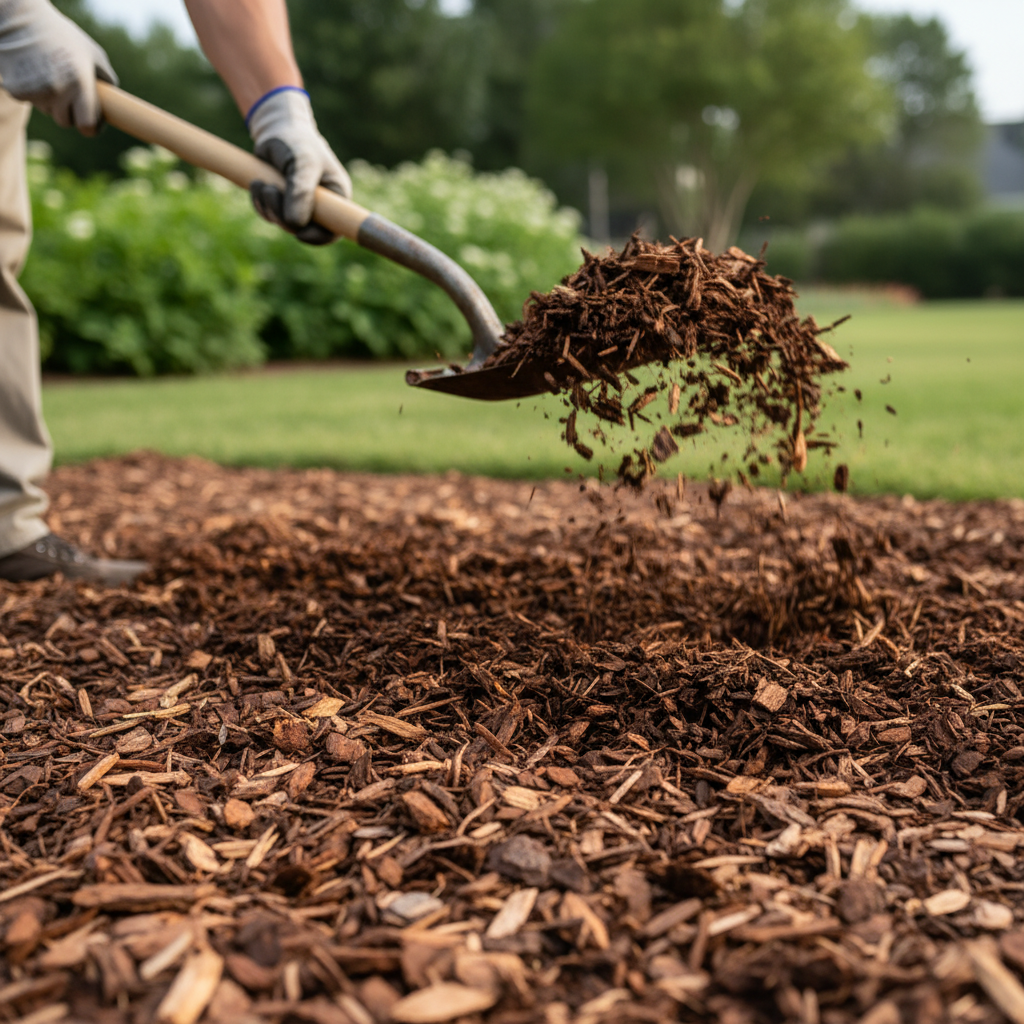
Mulching is a highly recommended technique for conserving soil moisture, especially during the drier months. Use organic materials like bark chips, straw, or shredded leaves to cover the soil surface. This not only reduces evaporation but also suppresses weeds and enriches the soil as it breaks down.
Choosing the Right Plants
Selecting plants that thrive in Knutsford’s climate is essential for a low-maintenance garden. Consider native plants or those well-suited to local conditions. These plants are naturally adapted to the environment, making them more resilient to pests and diseases.
Some popular options include lavender, rosemary, and various hardy perennials. These plants can add color and fragrance to your garden while requiring minimal care.
Companion Planting Strategies
Companion planting is an effective way to enhance plant growth and deter pests. By grouping compatible plants together, you can create a balanced ecosystem that promotes healthy growth. For example, planting marigolds alongside vegetables can help repel harmful insects.

Watering Wisely
Effective watering practices are crucial for maintaining a healthy garden. Early morning is the best time to water, as it allows plants to absorb moisture before the sun becomes too intense. Avoid watering in the evening, as this can promote fungal diseases.
Consider installing a drip irrigation system to ensure consistent moisture levels. This method conserves water and provides plants with a steady supply of hydration.
Pest and Disease Management
Regularly inspecting your plants for signs of pests and diseases is essential for early intervention. Look for discolored leaves, unusual spots, or wilting, which may indicate a problem. Addressing issues promptly can prevent them from spreading and causing significant damage.
Utilize natural pest control methods, such as introducing beneficial insects like ladybugs, to manage pest populations without the use of chemicals.
Seasonal Tasks and Planning
Each season brings unique challenges and opportunities for your garden. In spring, focus on planting and soil preparation. Summer requires diligent watering and pest monitoring, while autumn is the time for planting bulbs and preparing for winter.
By creating a seasonal gardening calendar, you can stay organized and ensure that all necessary tasks are completed on time. This proactive approach will keep your garden vibrant and productive throughout the year.