
Comprehensive Guide to Tree Pruning in Cheshire: Best Practices and Tips


Tree pruning is an essential part of maintaining the health and beauty of your landscape, especially in regions like Cheshire where diverse tree species thrive. Understanding the best practices and tips for pruning can make a significant difference in the longevity and appeal of your trees.
Why Prune Your Trees?
Pruning is not just about aesthetics; it plays a crucial role in the overall health of a tree. By removing dead or diseased branches, you can prevent the spread of decay, improve airflow, and encourage new growth. Additionally, well-pruned trees are generally safer, reducing the risk of falling branches.
When to Prune Trees in Cheshire
The timing of pruning is vital. For most trees, the best time to prune is during the dormant season, typically late winter or early spring. This timing allows trees to heal quickly and reduces the risk of disease. However, some flowering trees might benefit from pruning right after they bloom to avoid cutting off future buds.
Always consider the specific needs of each tree species. For instance, oak trees should only be pruned during the dormant season to prevent oak wilt disease.
Essential Pruning Techniques
Effective pruning requires using the right techniques to ensure the health of the tree. Here are some fundamental methods:
- Crown Thinning: This involves removing select branches to improve light penetration and air circulation.
- Crown Raising: Removing lower branches to provide clearance for pedestrians, vehicles, or views.
- Crown Reduction: Reducing the size of a tree, often for utility line clearance or aesthetic reasons, while maintaining its natural shape.

Tools and Safety
Having the right tools is essential for effective pruning. For small branches, hand pruners or loppers work well, while larger branches may require a pruning saw. Always ensure your tools are sharp and clean to make clean cuts and reduce the risk of disease.
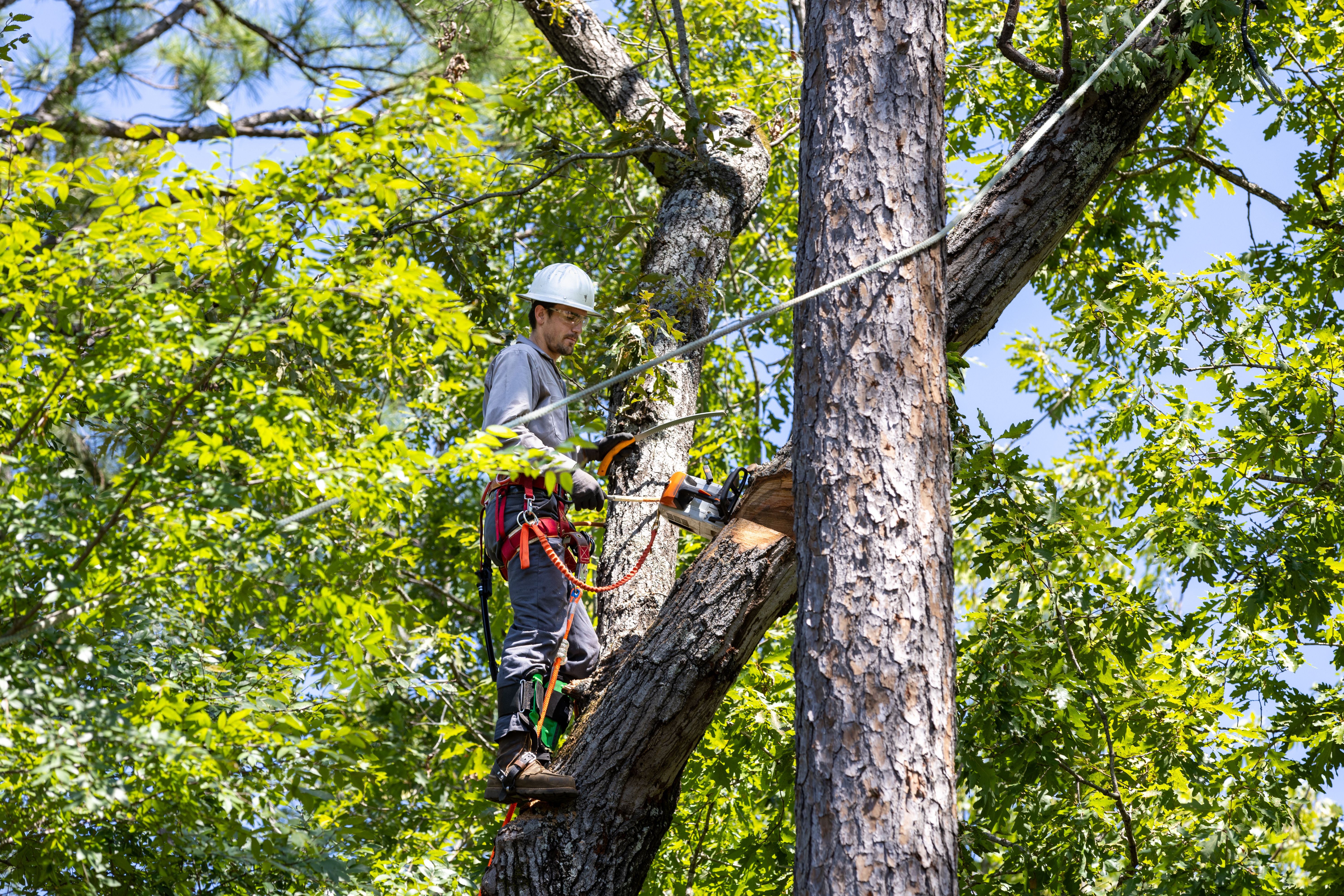
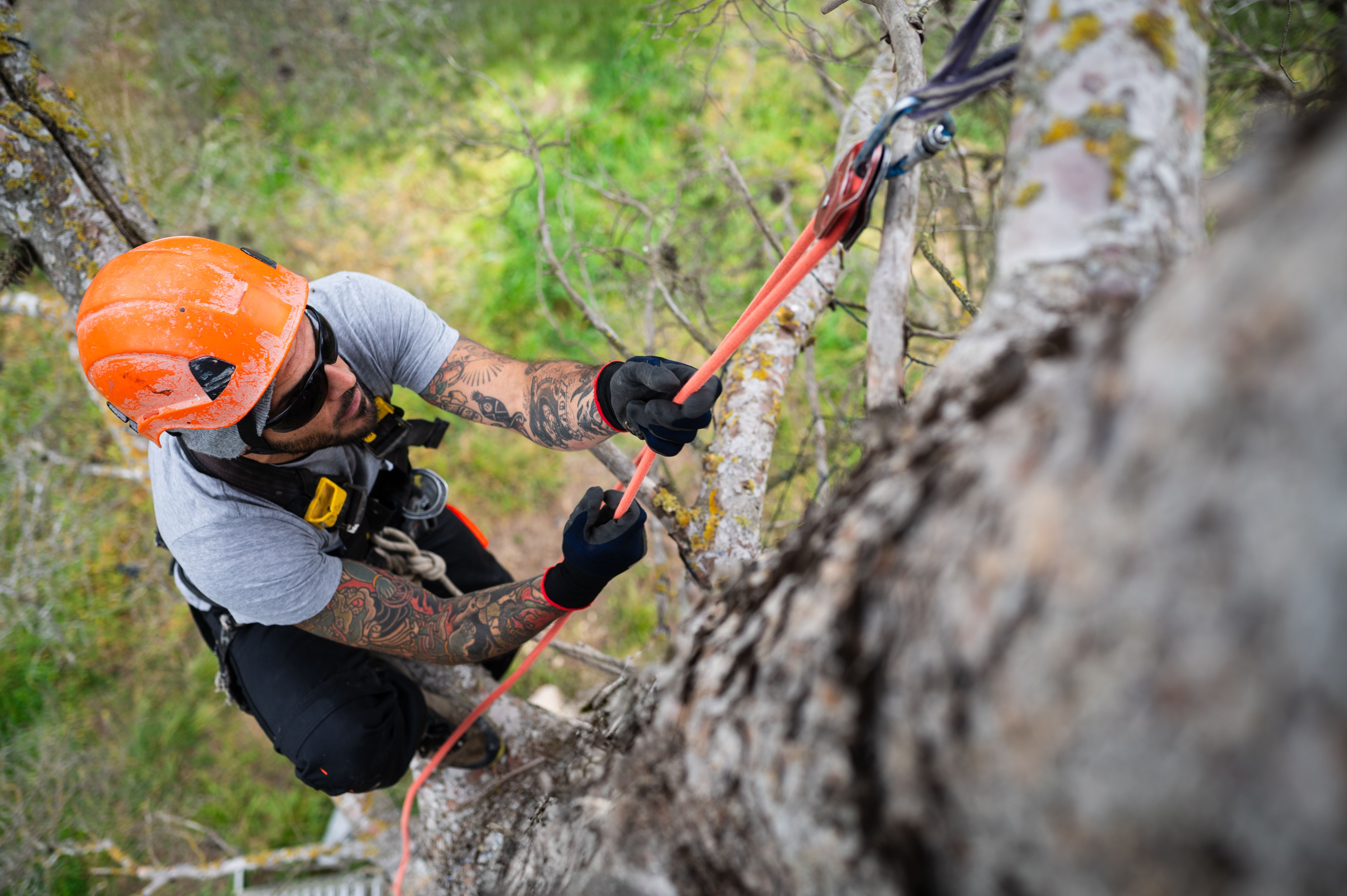
Safety should never be overlooked. Wear protective gear, such as gloves and safety glasses, and never attempt to prune branches near power lines or those that require climbing without proper training and equipment.
Hiring Professional Help
While DIY pruning can be effective for minor tasks, some situations require professional intervention. Trees with large branches, those near structures, or those requiring significant reduction should be handled by certified arborists. They have the expertise and equipment to perform the job safely and effectively.
Environmental Considerations
Cheshire's rich biodiversity means that pruning should be done with environmental sensitivity. Avoid pruning during bird nesting seasons and be mindful of the impact on local wildlife. Additionally, consider the waste generated from pruning and recycle or compost where possible.
In summary, tree pruning is a vital practice that, when done correctly, can greatly enhance the health and appearance of your trees. By understanding the best times, techniques, and tools, you can ensure that your trees in Cheshire remain robust and stunning throughout the seasons.