
Common Landscaping Mistakes and How to Avoid Them


Understanding Soil Composition
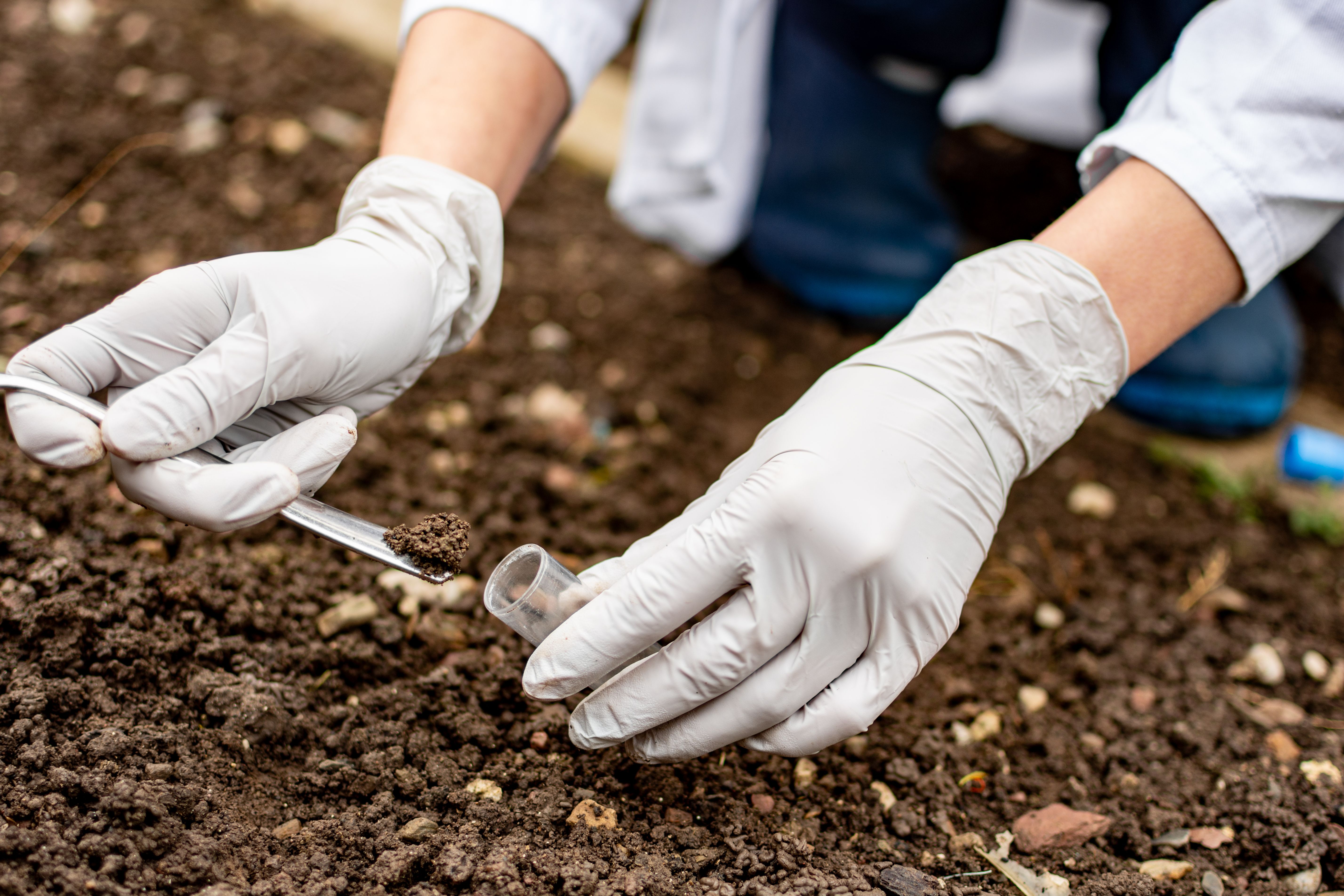
One of the most common mistakes in landscaping is neglecting to understand the soil composition of your yard. Different plants thrive in different soil types, and failing to match the two can lead to poor growth and wasted effort. Conduct a soil test to determine whether your soil is sandy, clay, or loamy, and choose plants accordingly.
Ignoring the Importance of a Plan
Jumping into landscaping without a clear plan is a frequent error. A well-thought-out design helps you visualize your space and manage resources effectively. Consider factors like sunlight, water access, and existing structures before starting. Sketch a layout or use online tools to help map out your ideas, ensuring a cohesive and efficient project.
Overplanting
New gardeners often fall into the trap of overplanting, which can lead to overcrowded spaces and unhealthy plants. While it might be tempting to fill every inch with greenery, it's important to give each plant the space it needs to grow. Pay attention to the mature size of plants and space them accordingly to avoid future headaches.
Lack of Maintenance
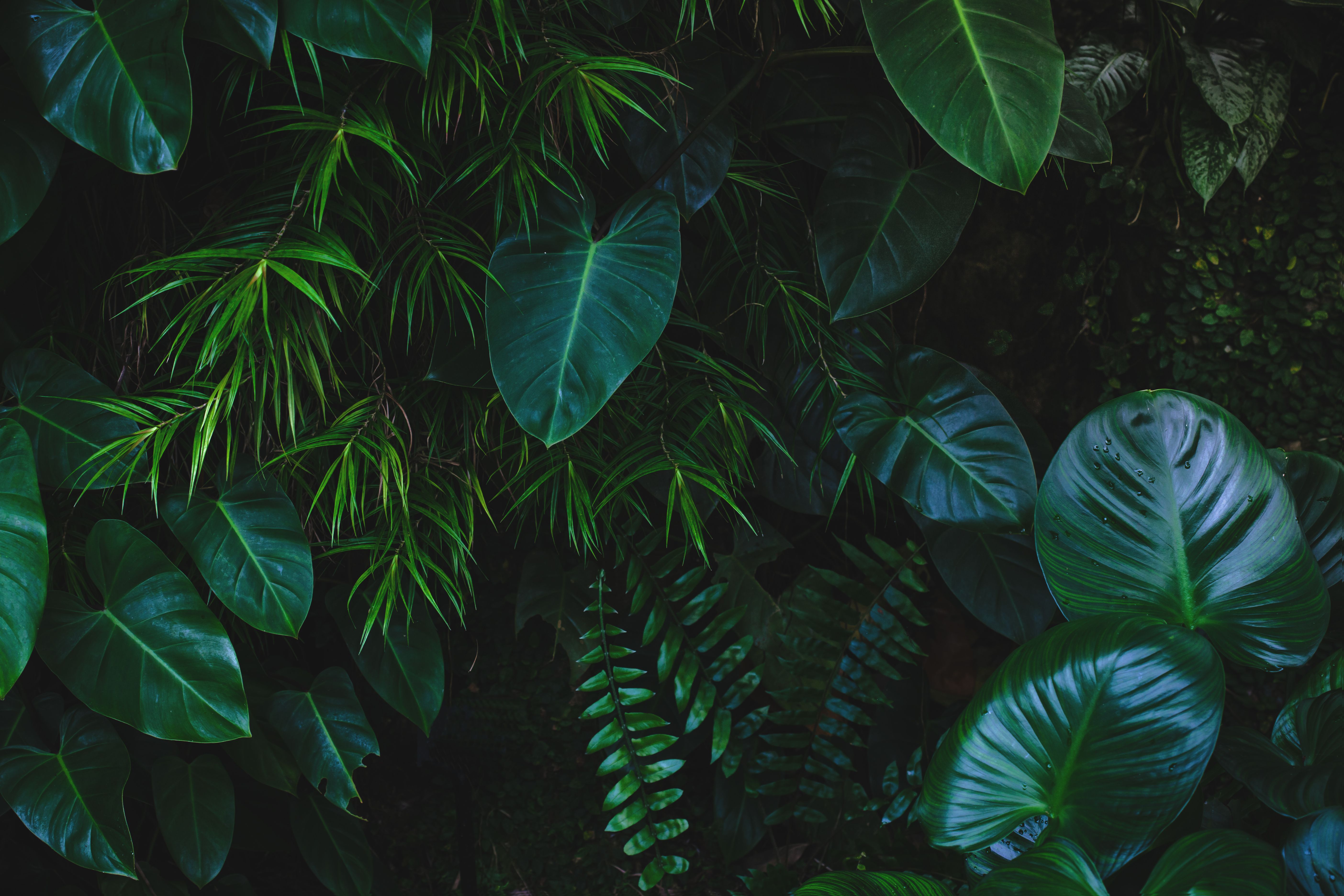
Once the initial excitement of landscaping fades, some people neglect regular maintenance. Consistent care, such as pruning, weeding, and watering, is essential for a thriving landscape. Set a schedule to ensure your garden remains healthy and vibrant throughout the seasons.
Incorrect Watering Techniques
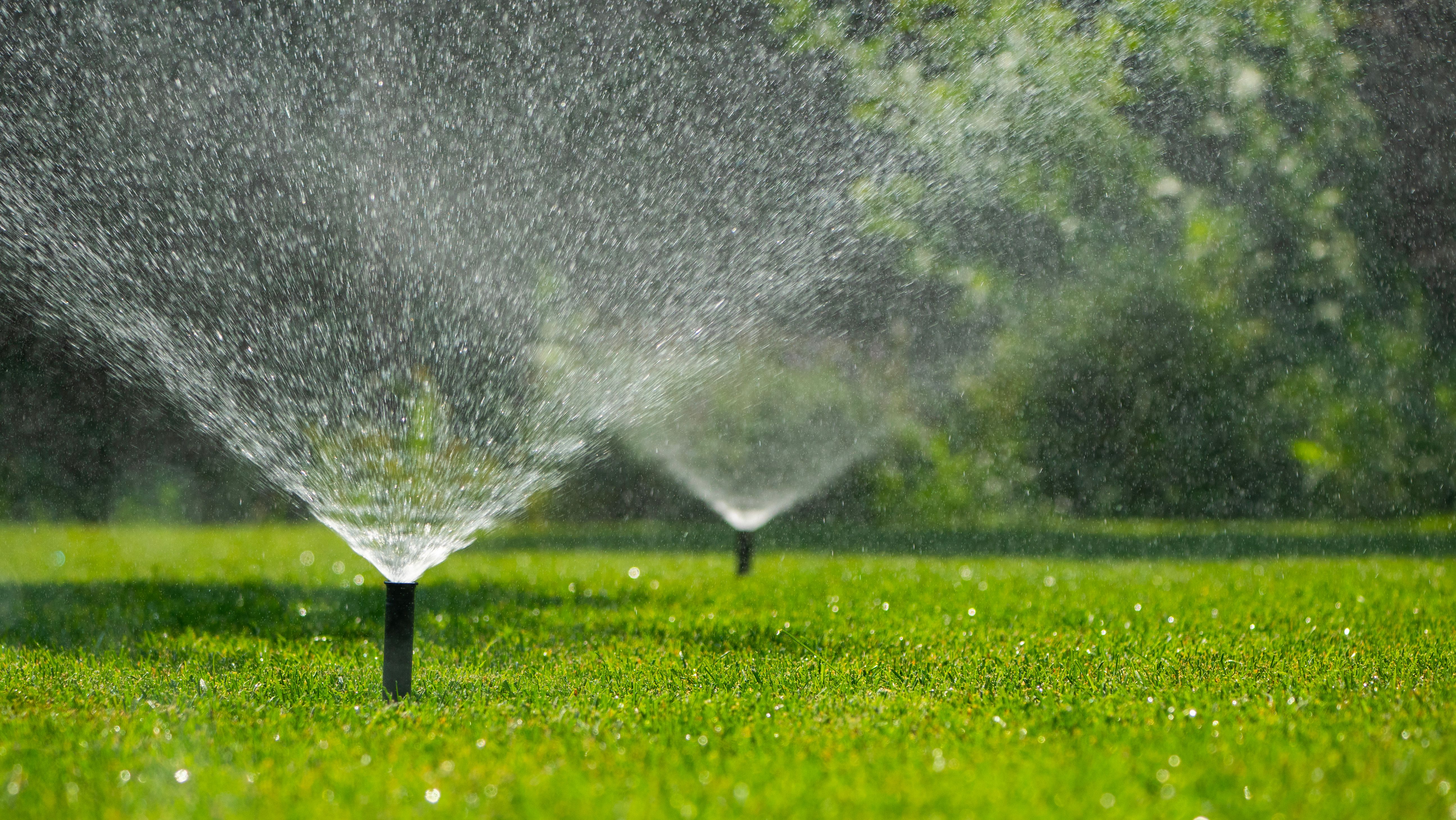
Watering is crucial, yet many make the mistake of overwatering or underwatering. Both can harm plant health. Understand the specific needs of your plants, and consider using drip irrigation systems for efficiency. Watering early in the morning or late in the afternoon can also help reduce evaporation.
Neglecting Seasonal Changes
Failing to plan for seasonal changes is another common oversight. Each season brings different requirements for plant care. Research and prepare for these changes by adjusting your landscaping practices, such as mulching in the fall or protecting plants from frost in the winter.
Choosing the Wrong Plants
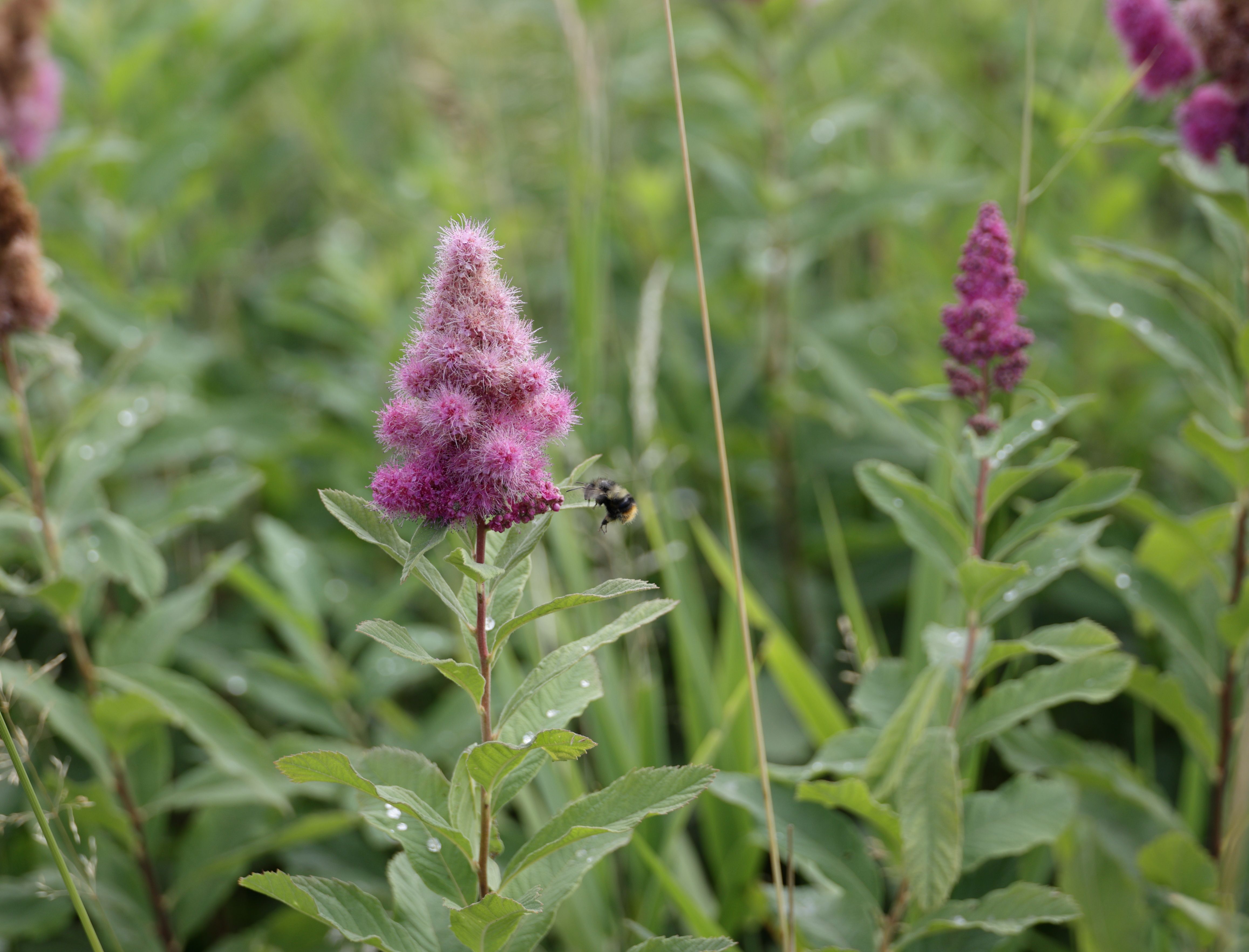
Choosing plants that are not suited to your climate or soil type can lead to disappointment. Focus on native plants that are adapted to your local environment. They require less maintenance, are more resistant to pests, and often thrive with minimal intervention.
Ignoring Hardscape Elements
A well-balanced landscape includes both plants and hardscape elements like paths, patios, and water features. Ignoring these can lead to a lack of structure and function. Plan for these elements early, ensuring they complement your plant choices and overall design.
By avoiding these common landscaping mistakes, you can create a beautiful, functional outdoor space that enhances your home and provides joy for years to come. Remember, a successful landscape requires planning, patience, and regular maintenance.